

A new year signals the challenge to try something different or make promises to yourself. Maybe you started a writing project last year but it’s languishing in the backblocks of your laptop. Quite often, ideas and motivation evaporate due to the demands and complexities that build throughout the year. A new year is a chance to reach out to that unfinished novel or continue researching and writing that real-life passion project … to sharpen your pencil, to freshly assess, and hopefully continue with increased motivation.
Stepping back for a while …
Although I totally understand, it is disheartening to witness gifted authors suffering from an overwhelming sense of looming defeat due to the time that writing takes from ‘life’.
Contemporary writer, Gish Jen shared that there was a time when she “was writing instead of living”. So, she stopped writing for a year and gardened, lunched, enjoyed her children, tried new sports. But she soon found that “life without work was strangely lifeless … I missed reasoning with history, I missed roaming a larger world. I missed tangling with language. I missed the shoulder to the wall of work. I missed discovering what I thought—or rather, watching what I thought I thought dissolve under my pen. I missed looking hard at things. I missed stalking a plot. I missed being ridden by the imagination, not so much into the sunset as through it”.
So, as we move into 2026, here are a couple of gems from writers whom I admire. They have suffered stops and starts, doubts and determinations, in their own writing ‘journeys’. Pulitzer-prize winner, Richard Ford, wrote an essay ‘Goofing off while the Muse recharges’, which reveals his on-again, off-again relationship with the writing life:
Stopping and then starting up again is of course what all writers do … For me the benefits of taking time off between big writing projects—novels, let’s say—seem both manifest and manifold. For one thing, you get to put lived life first. And life—that multifarious, multidimensional, collisional freight train of thoughts and sensations you experience away from your desk … can be quite bracing (if you can stand it) …
Dealing with doubt …
The following extract is Virginia Woolf’s gentle self-encouragement, which she wrote in her diary on 11 May 1920:
It is worth mentioning, for future reference, that the creative power which bubbles so pleasantly in beginning a new book, quiets down after a time, and one goes on more steadily. Doubts creep in. Then one becomes resigned. Determination not to give in, and the sense of an impending shape keep one at it more than anything. I’m a little anxious. How am I to bring off this conception? Directly one gets to work one is like a person walking, who has seen the country stretching out before. I want to write nothing in this book that I don’t enjoy writing. Yet writing is always difficult
Many brilliant writers constantly put themselves under pressure. Virginia Woolf was continually plagued by self-doubt. On 30 April 1926, she wrote in her diary: “Yesterday I finished the first part of To the Lighthouse. . . Is it nonsense, is it brilliance?”
Do you need help to refresh and move forward?
Sometimes our brains just need a rest from writing and all the self-criticism that goes with the process. Like Gish and Richard, allow yourself time to catch up on the rest of your life before retreating back into your writing cave.
But those writers who are commissioned to write books have deadlines to work towards, so there is pressure to keep writing. This is where a mentor/coach like myself assists with flexible planning. There is always a way to find time to take a break and refresh in order to return to a writing project with a sharper perspective.
Could this be the time to have your manuscript assessed? Author J.K. Rowling gradually allowed herself to react in a positive way to “constructive criticism” by a professional manuscript assessor. She said: “I always try to act on constructive criticism. When I fail, I attempt to embrace my faults and call them my ‘style’.”
As a writing consultant and author mentor, it is my job to suggest ways in which a writing project can move forward. Sometimes I advise stepping back for a while and then re-engaging with a fresh perspective. A new year can provide that opportunity to refresh and sharpen your pencil.
Are you seeking a writing mentor, an editor or a manuscript assessor?
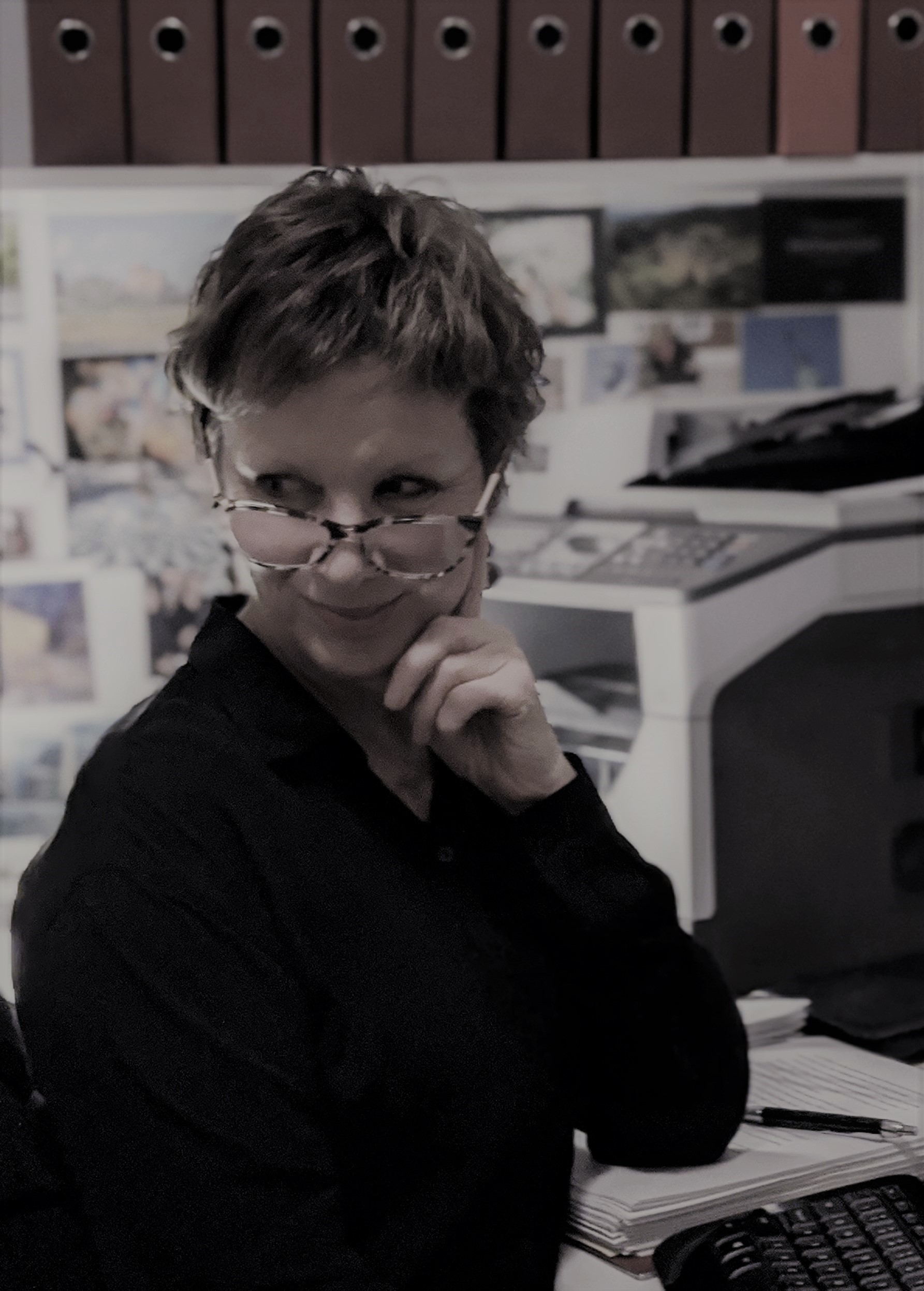 I would be delighted to help you bring your writing project, whether it is fiction or non-fiction, to fruition.
Maybe you would like to engage me as your mentor for a set period of time
Maybe you’re ready to have your writing edited
Or maybe the most viable step to take to reinvigorate your writing project is to have it critically assessed.
If you’re unsure of your next step, you’re welcome to message me via my contact page or email me with a brief overview of where you’re at: denise@denisemtaylor.com.au
My editing is based on the Australian Style Manual (ASM) unless an author prefers another or has been commissioned to write a book using the publishing house style guide. Editing academic writing requires the editor to adhere to the preferred style and referencing of the university department or publisher.
Featured photo by Angelina Litvin on Unsplash