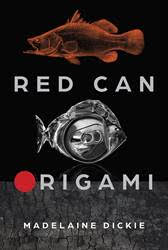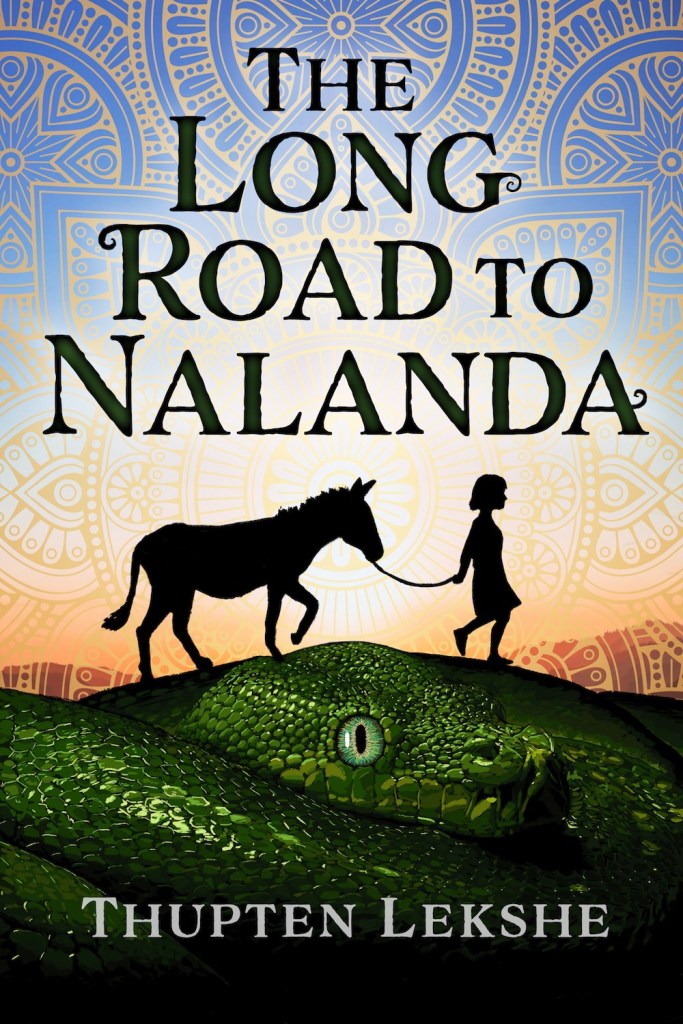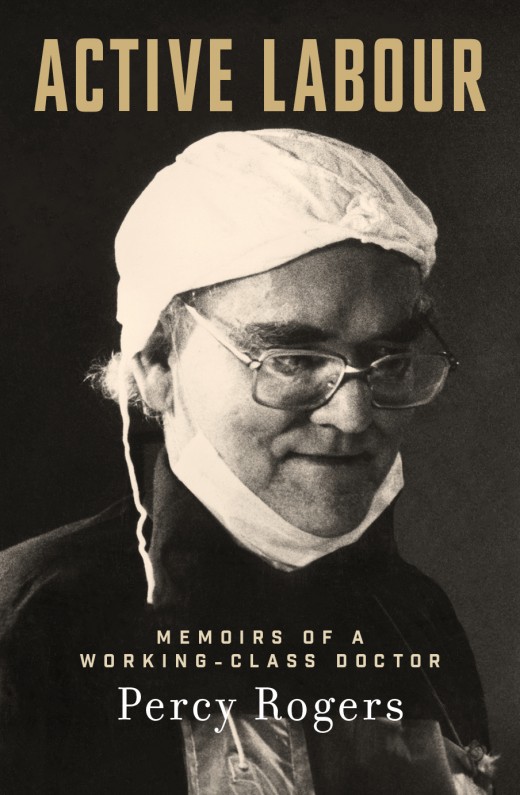


You’ve worked hard to pull your writing project into shape. You’ve drafted and redrafted it until you know it inside out. You want to submit your manuscript to a publisher or agent in the hope it will be the next bestseller. But before you do, consider the advantage of handing it over to a manuscript assessor for an objective critique. I understand that it takes considerable courage to read an assessment by a total stranger who will probably offer ideas for ‘improvement’.
Even if you’ve decided to self-publish, it’s equally important to make sure your manuscript is the best it can be before subjecting it to online scrutiny.
Commissioning editors for publishing houses and literary agents are time poor. They often only read the first couple of chapters. If a few red flags are flying (such as verbose writing or a rambling beginning), then they’ll move on to the next manuscript on top of the heaving slush pile.
Unfortunately, I often receive a request for a manuscript assessment after the author has submitted to multiple publishers or agents and has been demoralised by rejections.
Writing is a challenging gig, and the vulnerable, sensitive writer needs to develop resilience, patience and a thick skin. My role as an editor and manuscript assessor is to provide a respectful, constructive critique with viable suggestions as to where there may be gaps or issues in the manuscript.
The advantages of choosing me as your assessor
I will be your contact and undertake the assessment myself. I do not engage freelance editors to assess or edit my clients’ manuscripts. I believe in establishing an understanding of each writer’s style and objectives for their project. It is impossible to pass on that intimate knowledge to another editor/assessor.
I am an experienced assessor of most genres, including Women’s fiction, Young Adult, Romance, Literary, Fantasy, Sc-Fi, Psychological Thrillers, Mystery, Historical and Crime novels. I have also assessed a broad range of non-fiction, including memoirs, biographies and academic books.
Following a manuscript assessment, a redraft is often returned to me for editing and/or proofreading, or I end up mentoring an author. However, there have been times when I’ve been asked to edit a manuscript that hasn’t been assessed and I have identified issues that could have been addressed with an objective manuscript assessment.
How much are my fees?
My manuscript fees are set out in my Manuscript Assessments page.
Here is feedback from a recent assessment:
Hi Denise,
Wow – thank you for all your work on this. I’ve only had a chance to skim through the report, but already you’ve answered so many questions I had and helped steer my thinking on where to improve the story. There’s a lot for me to do now, but I’m excited to get back into it.
Thanks again,
Elisia Torlesse
What are the basics of a manuscript assessment?
As a professional manuscript assessor, I provide a cost-effective, objective critique of the content in the form of a comprehensive written report. Every manuscript, fiction or non-fiction, is unique, so I don’t have a standard template to apply to each writing project. However, there are always the usual focuses for any manuscript assessment.
For fiction, I consider whether the beginning is intriguing enough to immediately draw in the reader (and commissioning editors for publishers!). Does the plot draw in the reader with twists and turns? Is the point of view consistent? Does the narrative flow at the right pace? How well are the backstories handled? Does the dialogue come across as ‘real’? Are the settings rich with atmosphere and support the narrative?
With non-fiction manuscripts, could the structure could be improved? Is there coherent content development, a logical flow (avoiding repetition), appropriate use of research, and overall suitability for the intended readership? If I think the writing needs editing, I extract a passage from the manuscript and show how the writing can be improved through editing.
Being openminded …
I am acutely aware that it often takes many years of blood, sweat and tears for writers to craft and finetune their writing projects. The truth is that when we love someone or something, we tend to lose all sense of objectivity.
However, openminded writers understand the value of constructive criticism. They are prepared to change aspects of their manuscripts, or even delete an episode/section that they realise isn’t working after an assessment logically suggests why.
So, why not take a deep breath and have your manuscript assessed before you submit to an agent or publisher? I would be delighted to be that assessor!
Contacting me for a manuscript assessment …
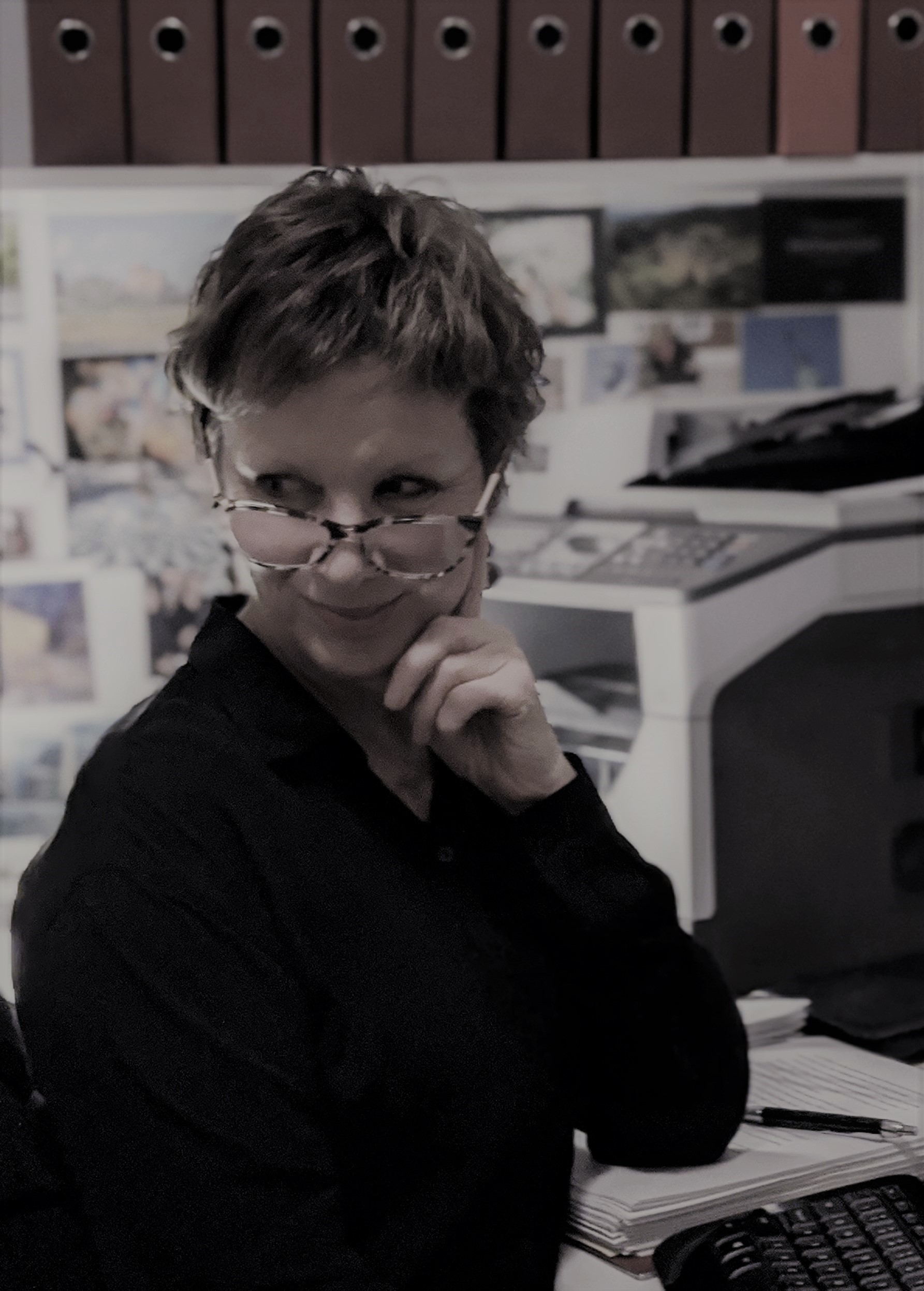 You can begin by telling me about your writing project via my email denise@denisemtaylor.com.au or send me a message via my contact page.
I look forward to ‘hearing’ from you.
It is worth mentioning, for future reference, that the creative power which bubbles so pleasantly in beginning a new book quiets down after a time, and one goes on more steadily. Doubts creep in. Then one becomes resigned. Determination not to give in, and the sense of an impending shape keep one at it more than anything. (‘A Writer’s Diary’, 11 May 1920)
(The featured photo is by Kaitlin Baker on Unsplash.com)